Hire skilled AI developers who fit your project. We provide AI engineers, machine learning engineers, LLM engineers, NLP engineers, and AI architects to build, improve, and support software for your business goals.
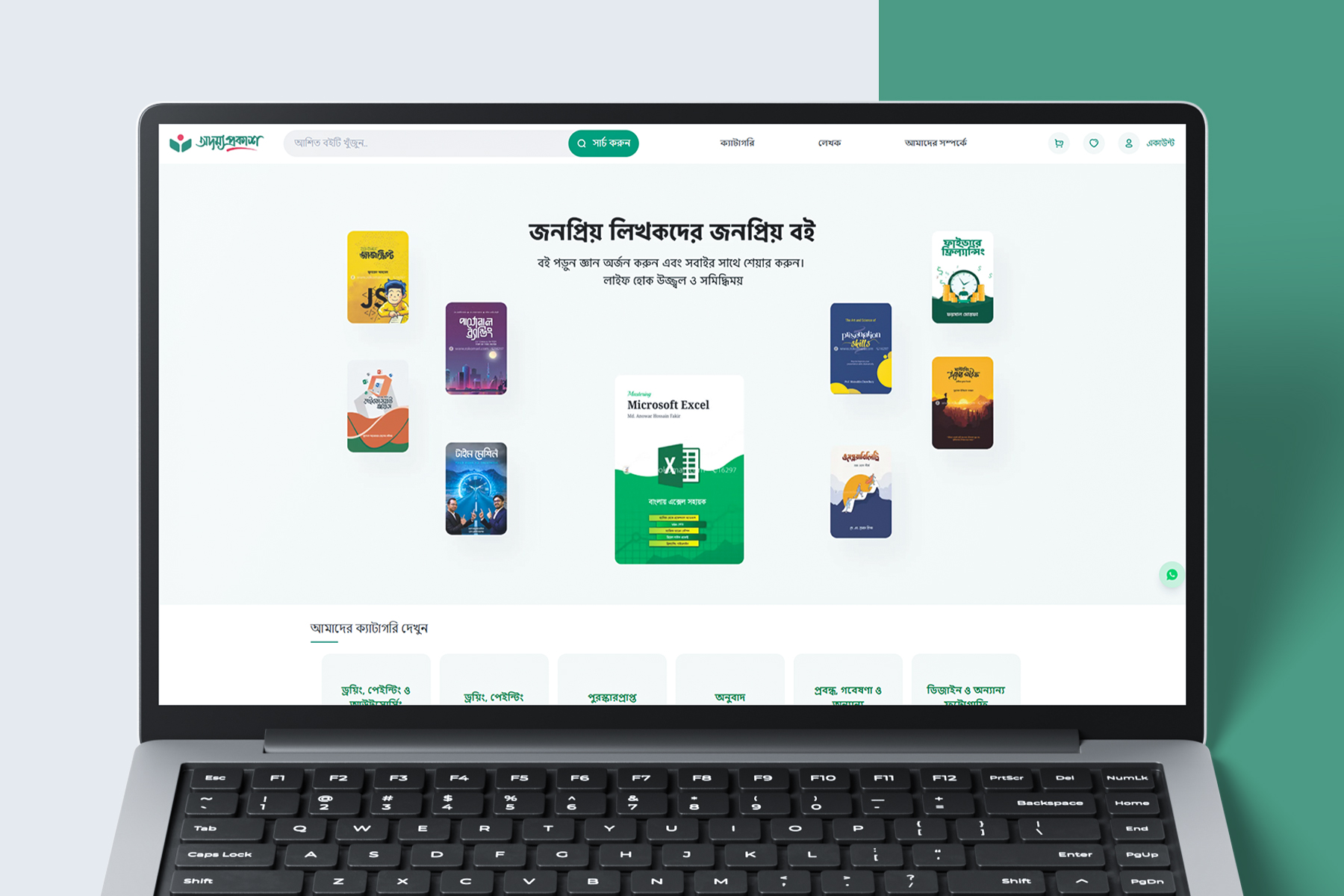
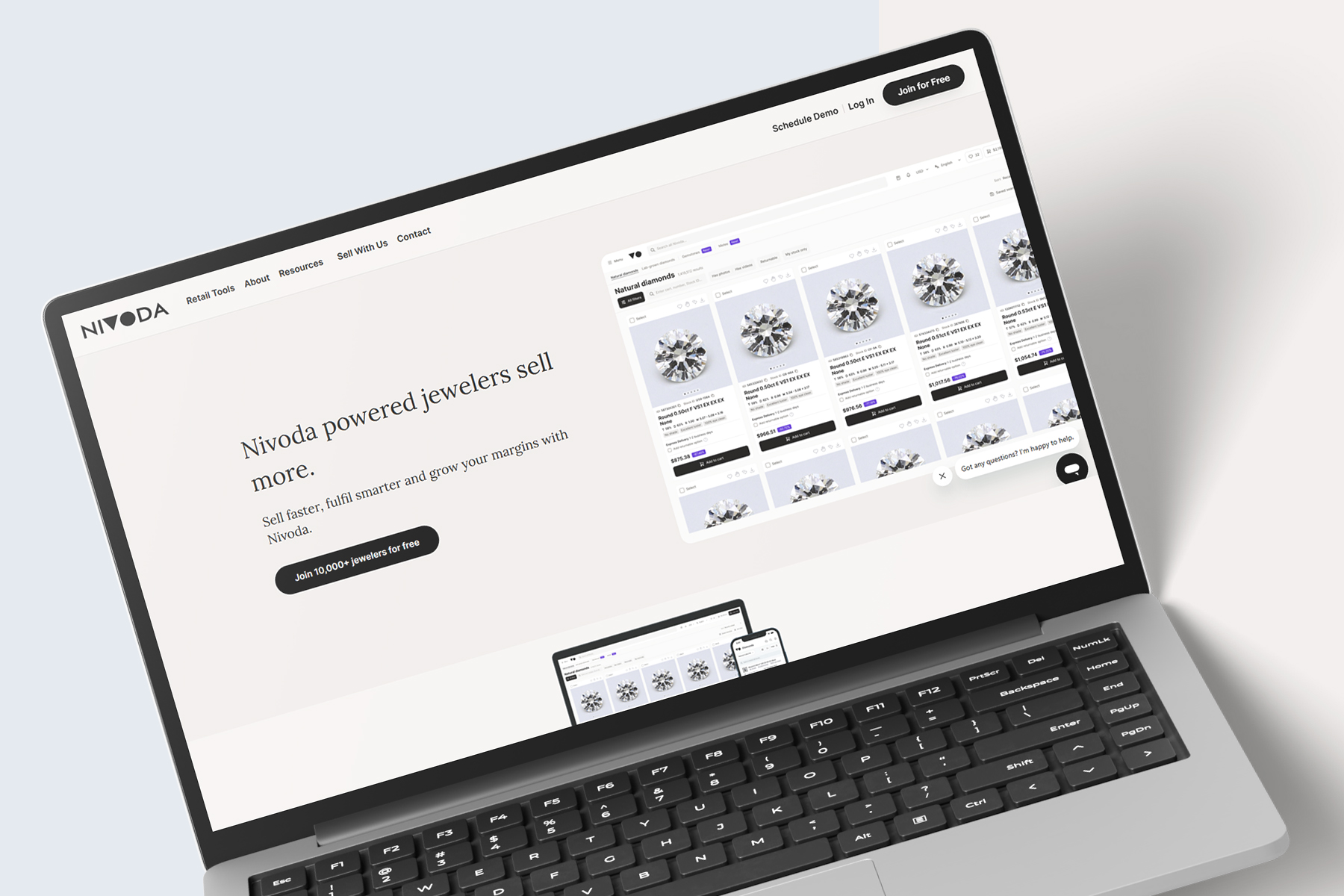
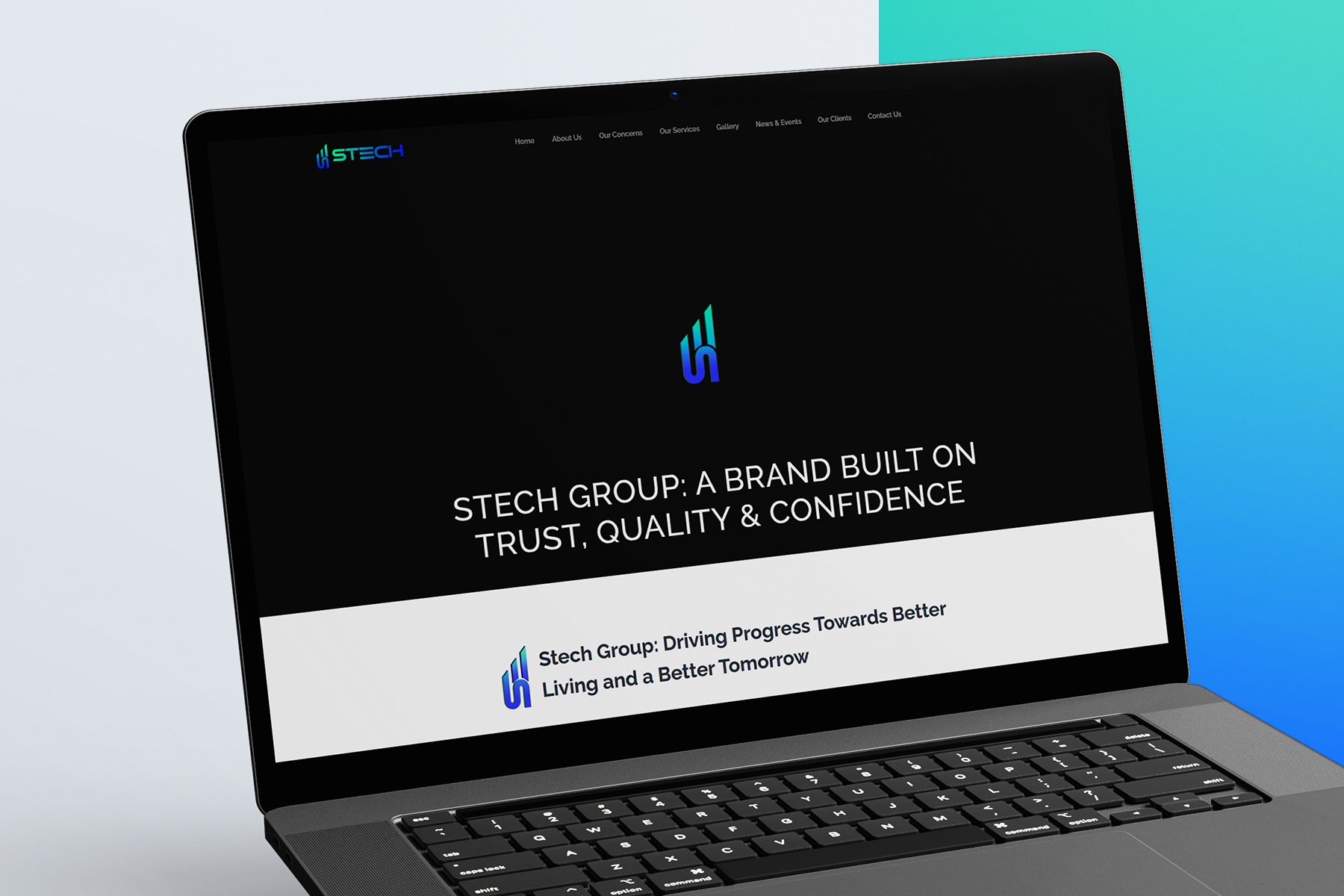
Hire experienced web developers to build fast, responsive websites and web applications for your business. We create custom web solutions with clean code, useful features, and a smooth experience across all screens and devices.
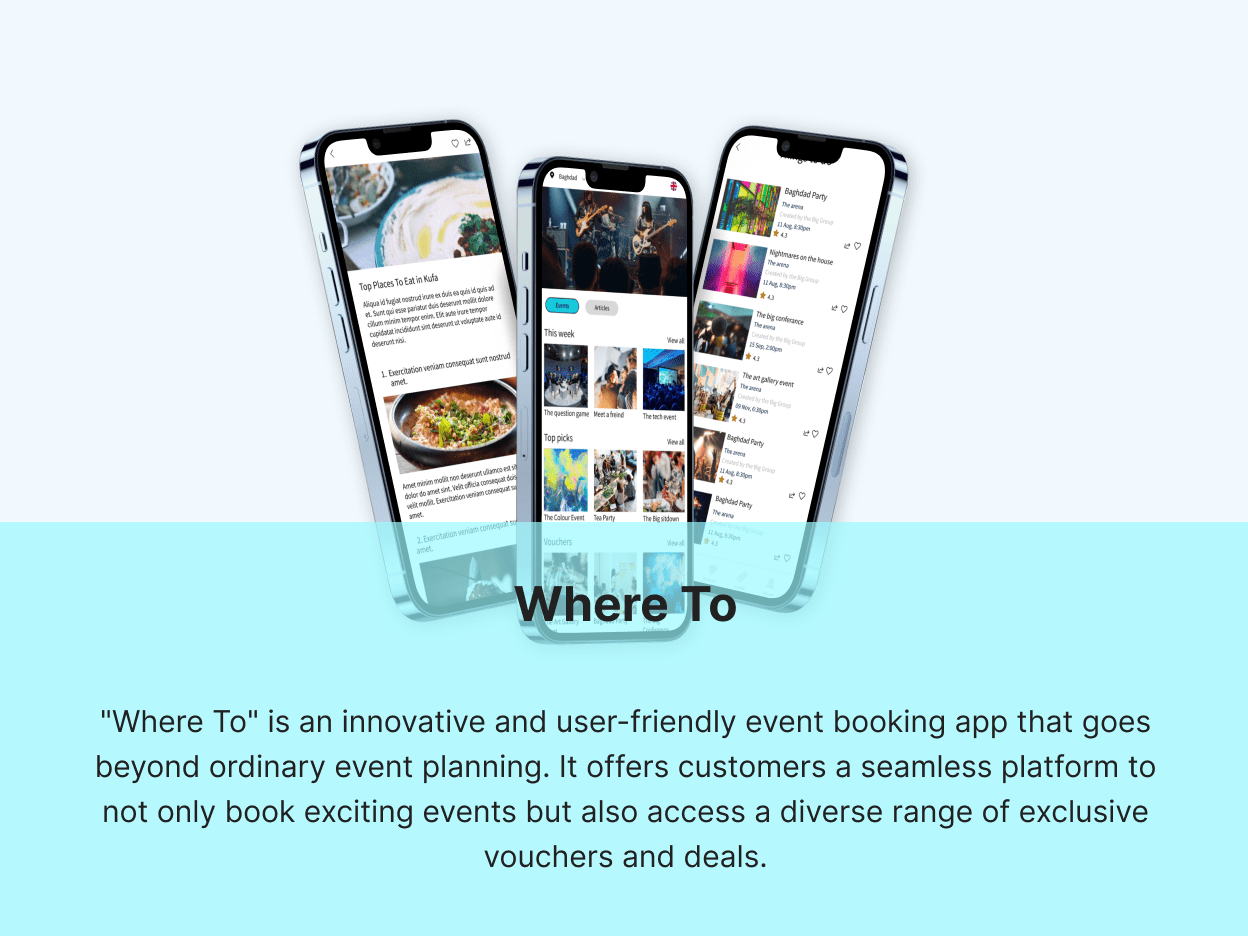
Need a mobile app for your business? Hire experienced developers who can turn your idea into a reliable app. We build Android, iOS, Flutter, React Native, Kotlin, and Swift apps around your goals.
From product design to software development, we help businesses build digital solutions that work. Our team handles UI/UX design, web and mobile app development, AI/ML solutions, and custom software development.
We create UI/UX designs, product interfaces, and responsive websites that make digital products easy to use, clear to navigate, and consistent across every screen, device, and customer journey for all users.
We build software around how your business actually works. Our development team creates websites, mobile apps, custom software, and AI solutions with good code, useful features, and reliable performance.
We are a software development company helping businesses build useful digital products. Learn about our team, culture, partnerships, careers, and how we build reliable custom software for growing businesses.
Hire the World's Top
AI Developers
Without the Search
Our AI engineers build machine learning, NLP, computer vision and generative AI into your product, from first prototype to production systems your team can rely on.
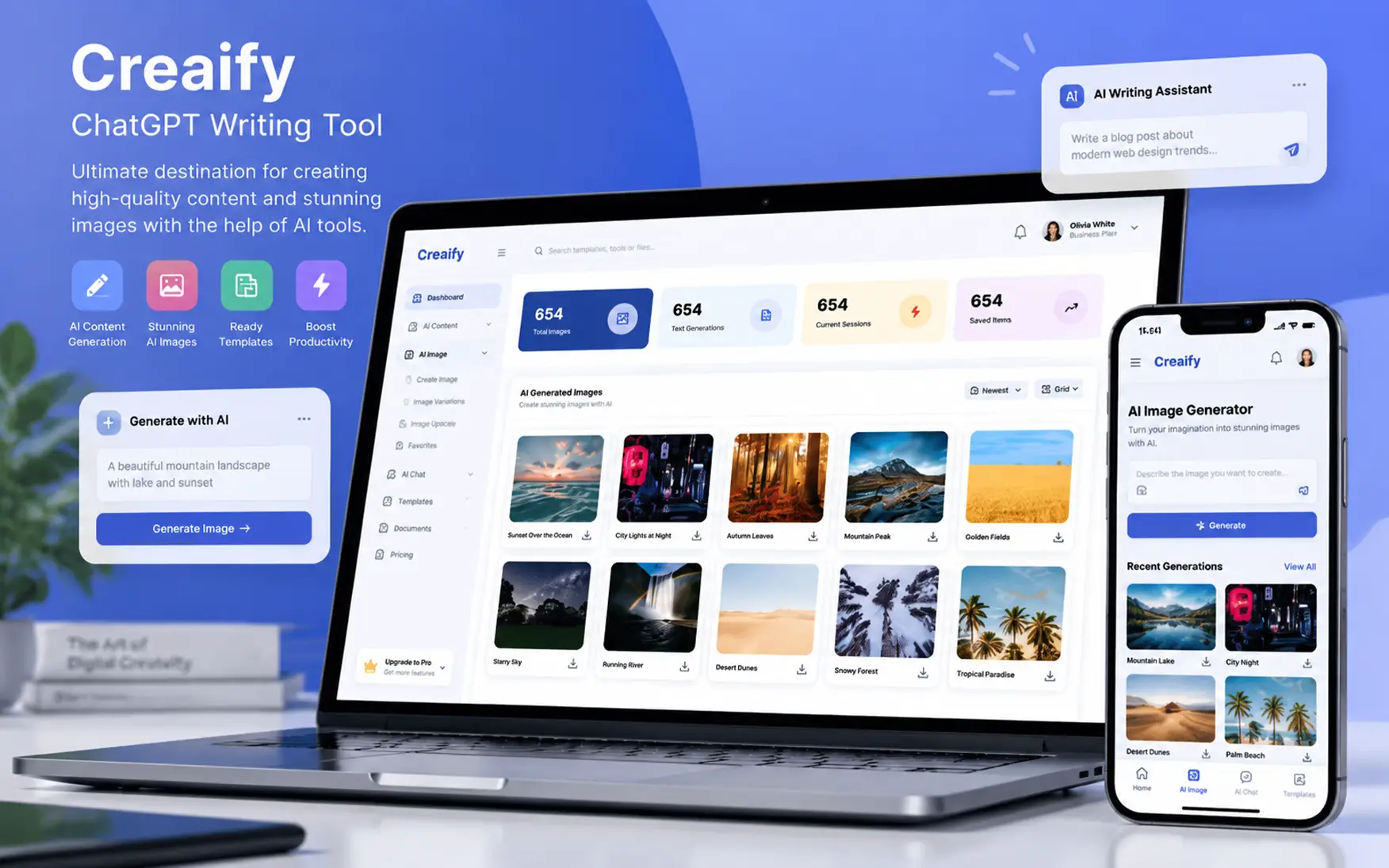
CreAiFy is a SaaS-ready AI assistant that writes content such as SEO write-ups, talking points, FAQs, YouTube and Facebook descriptions, cold emails, blogs, articles and ads.
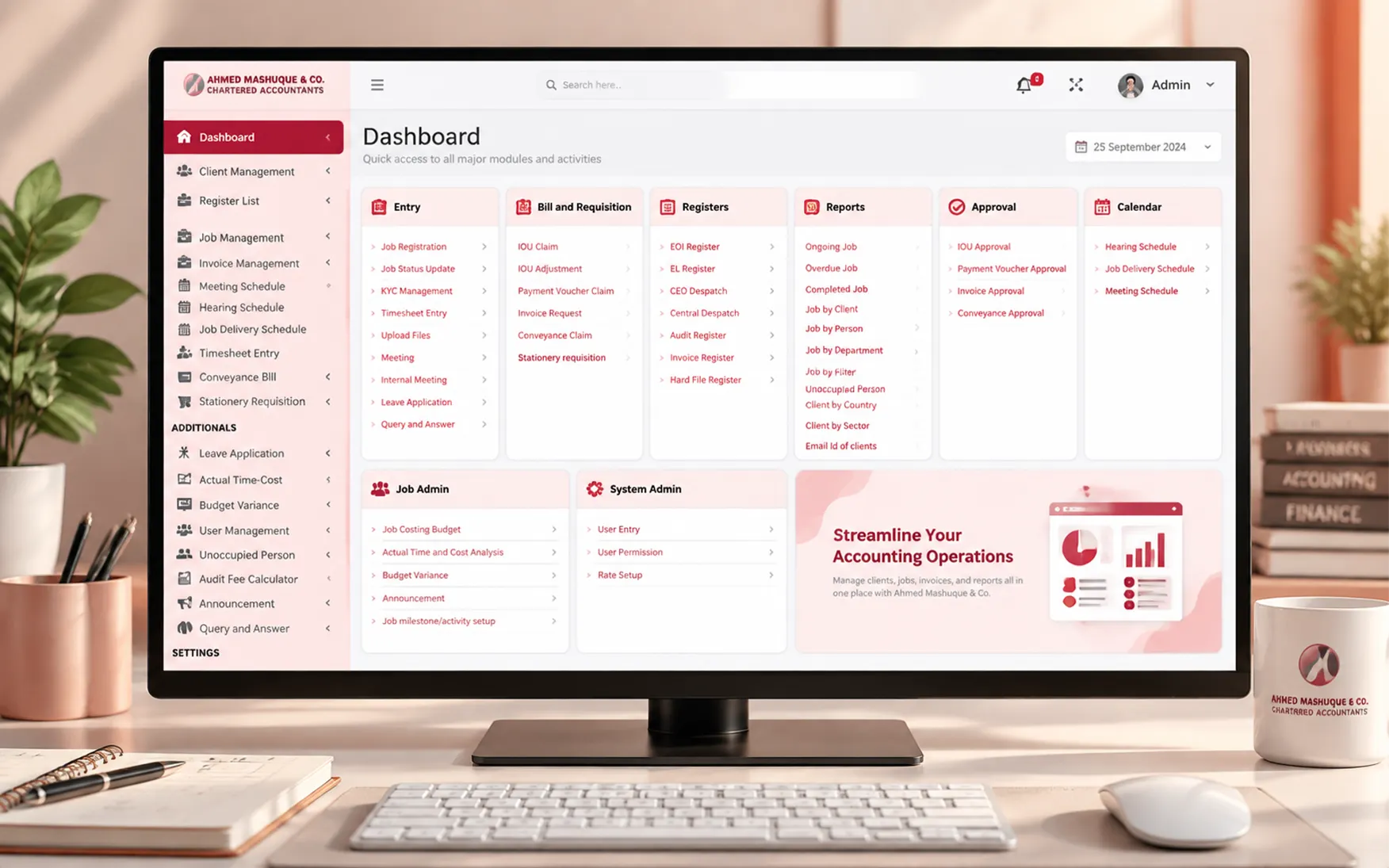
Ahmed Mashuque & Co. is a Chartered Accountants firm offering accounting, auditing, taxation, VAT, secretarial, consulting and other specialist services in Bangladesh.
Need a couple of extra software engineers on your team?
Get senior, production-ready developers who integrate directly into your internal team. They work your hours, join your standups, and follow your workflows—just like any full-time engineer.
Dedicated AI Team
Need a few teams to deliver several projects simultaneously?
Get senior, production-ready developers who integrate directly into your internal team. They work your hours, join your standups, and follow your workflows—just like any full-time engineer.
Software outsourcing
Want to offload everything to us, from start to finish?
Get senior, production-ready developers who integrate directly into your internal team. They work your hours, join your standups, and follow your workflows—just like any full-time engineer.
Working Process
A Better Process for Better Software
We don’t jump straight into development. We first understand what you’re trying to achieve, then shape the right product, build it carefully, test it thoroughly, and stay involved after launch.
Discovery
We align AI capabilities with business intent. Through deep-dive workshops with stakeholders, we map out use cases and feasibility studies to define a clear path to value.
1
2
Data Ingestion
Next, our team engineer secure ingestion pipelines that handle every source. The infrastructure is architected to ensure full compliance with UAE regulations.
Model Training
We design, train, and validate models using the right algorithms and data quality checks. This stage focuses on accuracy, explainability, and measurable performance.
3
4
Deployment
Finally, we deploy the model into production with monitoring, continuous testing, and iteration. This ensures the AI system stays reliable, secure, and aligned with business outcomes.
Monitoring & Optimization
We monitor model performance, accuracy, and reliability in production, then refine and retrain it as your data and business needs evolve.
5
CTO as a Service for Startups: Roles, Benefits and Cost
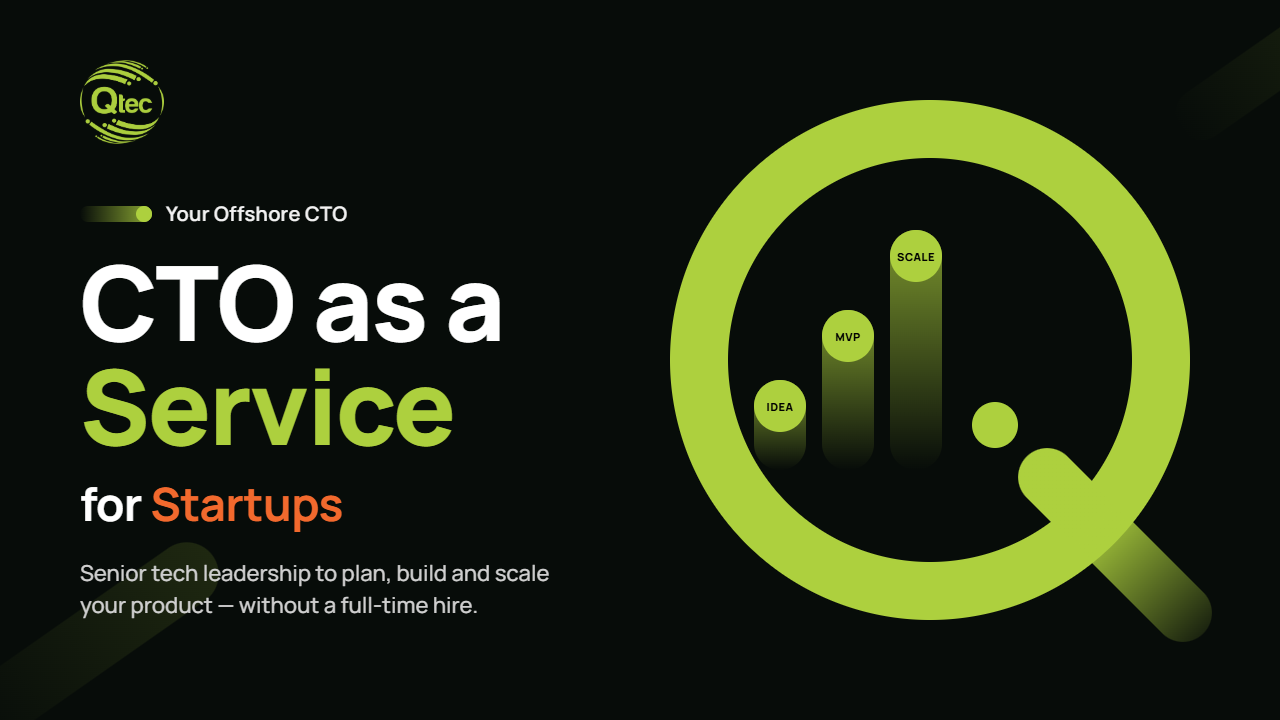
CTO as a service for startups gives you senior technology leadership without a full-time CTO. An experienced executive leads your technical strategy and technology roadmap on a monthly retainer. You get expert guidance from your first minimum viable product, or MVP, to scale.
Non-technical founders use CTO as a Service (CaaS) to lower costs, reduce risk and decide faster. It helps most when you're building, scaling or raising funds, from pre-seed to Series B. Models range from a fractional CTO to a fully outsourced team.
Below, you'll see what an engagement includes and how product development works. You'll also learn how AI is changing the role. Finally, learn how to choose a provider and what CTO as a service costs.
What Is CTO as a Service (CaaS)?
CTO as a Service (CaaS) is outsourced technology leadership for companies without a full-time CTO. An external executive or provider handles CTO duties part time, on demand or for a defined scope.
You pay only for the support you need, on a subscription or retainer basis. You skip the permanent hire, executive salary and equity grant, while keeping technology aligned with business goals.
How Does CTO as a Service Work?
CTO as a service works by moving a startup from assessment to planning, then to guided delivery. Each engagement ends with a documented handoff to your team.
The 5 core steps of a CTO as a service engagement are given below.
Discovery and technology assessment. The CTO audits your product, code, infrastructure and team to find strengths and gaps.
Strategy and roadmap design. The CTO sets technical priorities and a roadmap that fits your budget and business goals.
Team setup and leadership. The CTO defines roles, fills skill gaps and sets the workflows developers follow.
Implementation oversight and performance monitoring. The CTO reviews code, tracks speed, uptime and costs, and corrects course early.
Knowledge transfer and handoff. The CTO documents key decisions and builds a transition plan so your team can take over.
What Does a CTO as a Service Do?
A CTO as a service sets the technology direction of a startup and guides how products get built. The role spans strategy, people, delivery, security and spending.
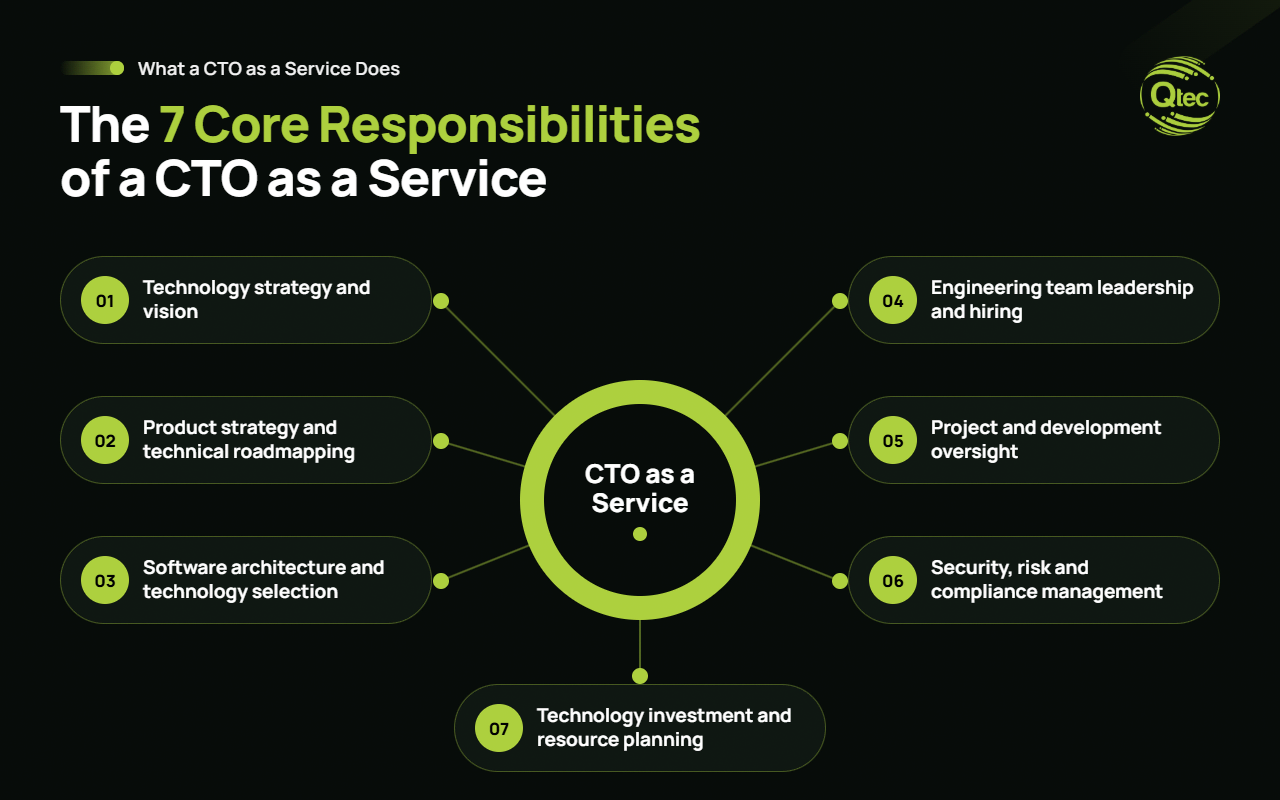
The 7 core responsibilities of a CTO as a service are outlined below.
Technology strategy and vision. The CTO sets a long-term technology vision that fits your business model.
Product strategy and technical roadmapping. They turn product goals into a technical roadmap ranked by value, effort and risk.
Software architecture and technology selection. They pick the tech stack and design systems that scale without vendor lock-in.
Engineering team leadership and hiring. They set hiring criteria, mentor developers and define code quality, Agile and DevOps practices.
Project and development oversight. They track sprints, releases and blockers across in-house or external teams before delays grow.
Security, risk and compliance management. They build in cybersecurity from day one. They also plan for GDPR data rules and PCI DSS payment standards.
Technology investment and resource planning. They budget for cloud services, tools and headcount, so spending goes where it pays off.
Why Do Startups Use CTO as a Service?
Startups use CTO as a service because it brings senior expertise before a full-time CTO makes sense. The benefits cover leadership, cost, speed, risk and growth.
6 benefits of CTO as a service for startups are given below.
Access to experienced technology leadership. You get a CTO who has solved similar problems elsewhere and brings a fresh perspective.
Closing technical expertise gaps. Non-technical founders gain an expert who can judge developer work, challenge estimates and free up founder time.
Lower technology leadership costs. You pay for hours used, not a full executive package. See the cost section for typical ranges.
Faster and safer technology decisions. An experienced CTO has seen common mistakes, so stack and vendor choices involve less guesswork.
Reduced technical and business risk. Early architecture, security and hiring reviews lower the chance of costly rewrites and bad hires.
A scalable technology foundation from day one. Your product starts on architecture built to grow, and you can scale support up or down.
When Does a Startup Need CTO as a Service?
A startup needs CTO as a service when key technical decisions have no qualified owner. The need usually appears around a launch, growth spurt or funding round.
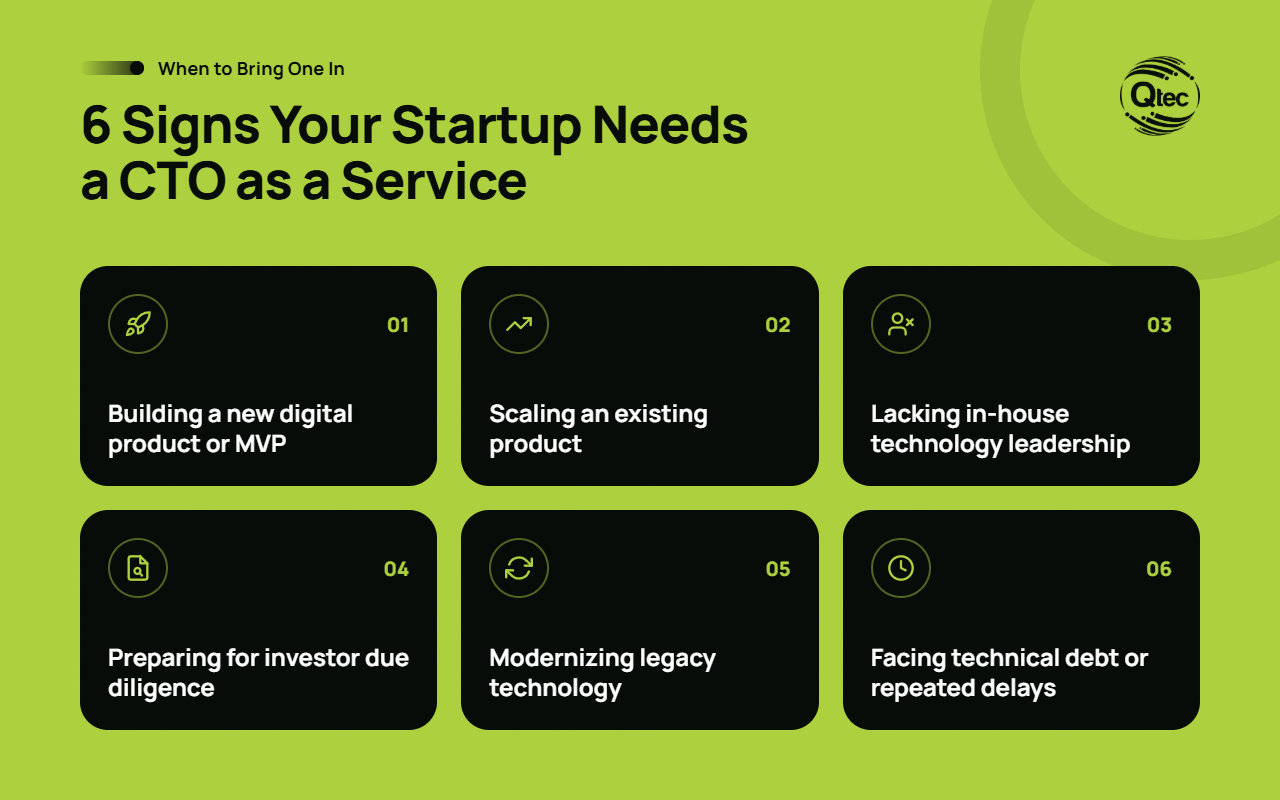
6 signs that a startup needs CTO as a service are given below.
Building a new digital product or MVP. You need sound MVP planning before spending your development budget.
Scaling an existing product. Growth causes frequent outages, slow pages or rising infrastructure costs.
Lacking in-house technology leadership. You have no technical co-founder, or your CTO just left.
Preparing for investor due diligence. Investors review your architecture, security and roadmap before they commit money.
Modernizing legacy technology. Old systems slow your team, and a safe migration needs experienced planning.
Facing technical debt or repeated delays. Launch dates slip because past shortcuts slow every new feature.
How Can CTO as a Service Support Startups at Different Growth Stages?
CTO as a service for startups changes with each stage, from pre-seed to Series B. Early work centers on scoping, while later work shifts to scale and hiring.
The 4 growth stages where CTO as a service supports startups are outlined below.
Idea and pre-seed stage. The CTO checks feasibility, scopes the product and guides build vs buy decisions before major spending.
Seed and MVP stage. The focus moves to MVP architecture, first engineering hires and a stable launch toward product-market fit.
Series A and scaling stage. The CTO strengthens performance, delivery processes and security as the engineering team grows.
Series B and transition stage. The CTO helps hire a full-time successor. Market benchmarks from 2026 put that switch at Series B or about $10 million in annual recurring revenue.
What Are the Types of CTO as a Service Models?
CTO as a service comes in 6 models that differ by time commitment, scope and hands-on involvement. Some cover advisory hours, while others include a full team.
The 6 types of CTO as a service models are given below.
Fractional CTO. A fractional CTO works part time, usually for set hours each month.
Part-time or advisory CTO. CTO advisory services offer regular strategy sessions without hands-on execution.
On-demand CTO. You bring in a CTO for one task, like an architecture review.
Project-based CTO consulting. CTO consulting services cover a time-bound project, such as a cloud migration.
Interim CTO. An interim CTO is a temporary stand-in during a CTO search or leave of absence.
Fully outsourced CTO with a development team. Outsourced CTO services add a dedicated team that builds your product.
What Does a CTO as a Service Engagement Include?
A CTO as a service engagement includes concrete deliverables, not just advice. Many CTO advisory services start with a one-off technical audit before a monthly retainer.
6 deliverables included in a CTO as a service engagement are shown below.
Technology assessment and audit. A review of your team, code quality, architecture, performance and delivery process, with ranked fixes.
Product and technical discovery. Clear requirements, user flows and a realistic release scope tied to business goals.
Technology roadmap with milestones. A timeline that shows founders and investors what gets built and when.
Architecture and infrastructure plan. A documented design for systems, cloud setup and data flows, built for scalability and reliability.
Vendor and technology evaluation. A comparison of tools and vendors on cost, fit and lock-in risk, with a clear pick.
Ongoing technology governance and reporting. Regular reports to founders and the board on delivery, risks, spending and roadmap progress.
How Does CTO as a Service Support Product Development?
CTO as a service supports product development by guiding your product from idea to a scalable release. The CTO manages your team, whether you work in-house, with an agency or hire offshore developers.
They also run sprint planning and releases. The two most common product questions, the MVP and the tech stack, are answered below.
How Does a CTO as a Service Take a Product From Idea to MVP?
To take a product from idea to MVP, a CTO as a service strips it to essentials. The goal is to ship fast and learn from real users.
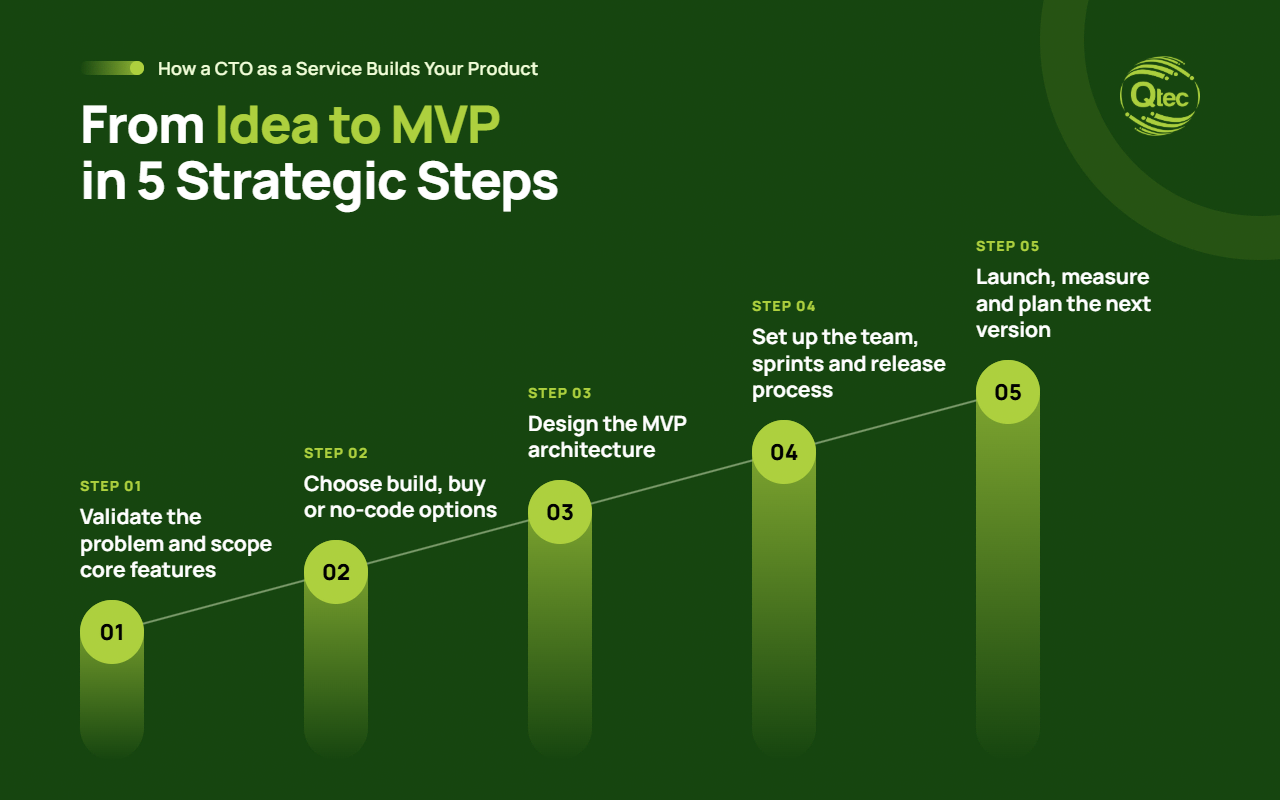
5 steps from product idea to MVP are given below.
Validate the problem and scope core features. Confirm the pain point, then pick the few features that prove value.
Choose build, buy or no-code options. Custom-build only what sets you apart, and use existing tools elsewhere.
Design the MVP architecture. Keep it simple, but leave room to scale without a rewrite.
Set up the team, sprints and release process. Short sprints and automated releases speed up time to market.
Launch, measure and plan the next version. Turn usage data and user feedback into the next roadmap.
How Does a CTO as a Service Choose the Right Tech Stack?
A CTO as a service picks a tech stack by matching tools to your product and team. Key factors include product requirements, team skills, the hiring market, scalability and security. Total cost of ownership and vendor lock-in risk matter too.
A niche framework can make every future hire slower and pricier.
For example, a SaaS app might pair a React front end with a Node.js back end on AWS.
A mobile-first product might use Flutter to ship iOS and Android apps from one codebase. Neither is a default for every startup.
How Is AI Changing CTO as a Service for Startups?
AI is changing CTO as a service by adding duties around AI strategy, governance and code oversight. AI tools also make the CTO's own work faster.
5 ways AI is changing CTO as a service for startups are outlined below.
AI strategy becomes part of the mandate. The CTO decides which AI features are worth building and their running costs. In Deloitte's 2026 survey of 3,235 leaders, 74% expect at least moderate AI agent use by 2027.
AI governance and guardrails. The CTO sets rules for data privacy, compliance and human-in-the-loop review. Deloitte found only 21% of organizations have mature governance for agentic AI, which acts with little human input.
Oversight of AI-generated code. Y Combinator said a quarter of its Winter 2025 batch had codebases about 95% AI-generated. The CTO checks that code for quality, security and technical debt.
AI tools speed up audits and code reviews. The Stack Overflow 2025 Developer Survey found 84% of respondents use or plan to use AI tools. Yet 46% distrust their accuracy, so human review still matters.
Leaner AI-assisted teams and new AI hiring needs. Teams ship more with fewer people, so the CTO adds AI engineers only when needed.
What Is a Fractional AI CTO?
A fractional AI CTO is a part-time technology leader focused on AI strategy and delivery. Some companies call the role a fractional Chief AI Officer.
Unlike a generalist fractional CTO, this leader runs AI readiness assessments and picks models and vendors. They also handle LLM integration and AI governance, so large language models work safely in your product.
Look for production AI deployments on a candidate's record. AI specialists often bill $400 to $600 an hour, above generalist rates.
Will AI Replace the CTO?
No, AI will not replace the CTO because the role rests on judgment and accountability. AI can automate parts of code review and quality assurance testing.
But hiring, architecture trade-offs, strategy and answering to the board still need a human leader. AI tools also make mistakes that someone must catch. The CTO role is being upgraded, not eliminated.
How to Choose a CTO as a Service Provider?
To choose a CTO as a service provider, weigh technical depth and business sense equally. The right partner fits your industry and offers clear terms.
7 criteria to choose a CTO as a service provider are given below.
Technical and industry expertise. Look for experience with products, users and regulations like yours.
Business and strategic understanding. Technical choices should tie back to revenue, costs and fundraising.
Leadership and communication skills. They motivate engineers and keep founders informed without jargon.
Hands-on software engineering experience. A strong candidate still reviews pull requests and spots weak designs.
Security and compliance knowledge. They know how to protect user data and pass required audits.
Track record, case studies and references. Ask for measurable outcomes and call past clients.
Engagement flexibility. Check scope, notice period and handoff terms so you can exit cleanly.
Start with a defined scope or a short trial, such as 3 months. Put decision rights and response times in a written role charter.
What Skills Should a CTO as a Service Have?
A CTO as a service should combine engineering depth with business judgment and people skills. Look for 15 or more years in software, including leadership roles.
6 skills a CTO as a service should have are shown below.
Technical depth. Strong command of multiple stacks, software architecture and cloud architecture.
Cybersecurity and compliance knowledge. Experience securing real products and passing security audits.
Strategic and commercial thinking. Decision-making that weighs cost, speed and risk against business goals.
Communication with non-technical founders and investors. Clear explanations of trade-offs in plain language.
Team building and leadership. A record of hiring, mentoring and keeping engineers productive.
Practical AI and automation experience. Real AI features and automations in production, not just experiments.
What Are the Ways to Hire a CTO for a Startup?
To hire a CTO for a startup, founders choose between equity, salary and flexible support. Each route trades off cost, speed and how long the CTO stays.
5 ways to hire a CTO for a startup are given below.
Find a technical co-founder. You share equity with a long-term partner, but the search can take months.
Hire a full-time CTO through a CTO executive search firm. Expect recruiting fees of $50,000 to $100,000 for C-level hires.
Use a CTO for hire through a fractional talent platform. Marketplaces match you with a vetted CTO for hire faster than a full search.
Partner with an agency offering CTO consulting services or outsourced CTO services. A software development agency supplies the CTO and the engineers.
Use referrals from investors, accelerators and founder networks. Investors and accelerator mentors often know CTOs who've helped similar startups.
How Much Does CTO as a Service Cost?
CTO as a service usually costs $80 to $300 an hour or $5,000 to $15,000 a month. Treat these as 2025 market ranges, since scope, hours and seniority change the price.
An advisory retainer of 5 to 8 hours a week often runs $3,000 to $6,000 a month. An embedded retainer of 15 to 25 hours a week costs about $8,000 to $15,000.
The 3 common CTO as a service pricing models are shown in the table below.
Pricing model
Typical range, 2025 to 2026
Best for
Hourly
$80 to $300 per hour, or about $100 to $350 in the US
Advice calls, one-off reviews and on-demand help
Project-based
$5,000 to $50,000 or more, based on complexity, urgency and duration
Technical audits, MVP planning, migrations and due diligence prep
Monthly retainer
$5,000 to $25,000 per month, with most between $8,000 and $15,000
Ongoing leadership, team oversight and roadmap delivery
What Factors Affect CTO as a Service Cost?
CTO as a service cost depends mostly on the CTO's seniority and the hours you need. Industry, location and hands-on work also move the price.
5 factors that affect CTO as a service cost are outlined below.
Experience and seniority. CTOs who have scaled companies or led exits charge more than first-time leaders.
Scope and hours per month. More hours and wider scope raise the monthly fee.
Industry specialization. Healthcare, fintech and defense can add a 20% to 40% premium, and AI expertise costs more too.
Location of the provider. US-based CTOs often charge $10,000 to $25,000 a month, versus about $5,000 to $12,000 internationally.
Hands-on versus advisory involvement. A CTO who writes code or runs sprints costs more than an advisor.
Is CTO as a Service Cheaper Than a Full-Time CTO?
Yes, CTO as a service is usually cheaper than a full-time CTO because you skip the full salary. Glassdoor's 2026 pay data shows US CTO total pay of about $244,000 to $436,000 a year.
The U.S. Bureau of Labor Statistics groups CTOs with computer and information systems managers. That group earned a median $175,140 a year in May 2025.
A full-time hire also adds equity, benefits and recruiting fees.
What Happens Without Strategic Technology Leadership?
Startups without strategic technology leadership make costly decisions that slow growth and raise risk. Problems often stay hidden until a launch, outage or funding round.
5 risks of running a startup without strategic technology leadership are given below.
Poor technology decisions. Teams pick the wrong stack or vendor out of habit or hype, which later forces rewrites.
Uncontrolled technical debt. Quick fixes pile up with no repayment plan, so each new feature takes longer to build.
Development delays. Sprints drift and deadlines slip without clear priorities, which costs you customers and investor confidence.
Scalability and security risks. Systems never built to grow fail under load, and weak security raises breach risk.
Higher long-term technology costs. Rework, wasted budget and rising cloud bills add up, and failed due diligence can shrink a funding round.
How Does CTO as a Service Create Long-Term Business Value?
CTO as a service creates long-term value by making technology a growth driver, not a cost center. The impact compounds as your product and team grow.
4 ways CTO as a service creates long-term value are outlined below.
Aligning technology with business goals. Every technical investment ties back to revenue, retention or efficiency, so founders stop funding low-value features.
Improving product and engineering efficiency. Better processes and code standards help your team ship more with the same headcount.
Building scalable digital infrastructure. Documented systems and solid cloud architecture handle growth and build investor confidence.
Preparing for future technology needs. The CTO keeps your product AI-ready, so new tools become options, not threats.
What Are the Pros and Cons of CTO as a Service?
CTO as a service trades full-time presence for lower cost and more flexibility.
The pros and cons of CTO as a service are given in the table below.
Pros
Cons
Senior expertise without a full-time salary
Limited availability for urgent issues
Flexible scope you can scale up or down
Less cultural immersion in your company
Faster ramp-up than a full-time hire
Short-term focus if goals aren't clearly set
A fresh outside perspective on your product
Dependency risk if one person holds key knowledge
Lower risk on major technical decisions
Needs internal people to execute the plan
When Should a Startup Move From CTO as a Service to a Full-Time CTO?
A startup should move from CTO as a service to a full-time CTO when technology needs daily leadership. Watch 4 signals: engineering team size, funding stage, revenue growth and daily decision load.
Common guidance puts the switch at an engineering team of about 8 to 12 people. Other benchmarks point to 15 or more engineers, about 50 employees or a Series B round.
Your CaaS provider can write the role, interview candidates and brief a CTO executive search firm. Then they hand over through a structured knowledge transfer.
Why Choose Qtec Agency for CTO as a Service?
Qtec Agency offers CTO as a service for startups that need both strategy and delivery under one roof. We're a software development company with AI-driven developers and 6+ years of experience.
5 reasons to choose Qtec Agency for CTO as a service are given below.
Experienced technology leadership. Your CTO is backed by 40+ software engineers who turn the roadmap into working software.
Product and engineering expertise. Qtec has delivered 180+ projects, and the Qtec case studies show how they were scoped and shipped.
Flexible engagement models. Start small with a CTO for hire, then move to fully outsourced CTO services as you grow.
End-to-end support. One partner covers UI/UX, web, mobile and AI development. The team includes pre-vetted AI experts, and you can hire developers in 3 weeks.
Industry-specific experience. Qtec has worked across fintech, healthcare, e-learning, logistics, real estate, retail and more.
Frequently Asked Questions
Quick answers to the most common founder questions about CTO as a Service (CaaS) are given below.
Is CTO as a Service Suitable for Startups?
Yes, CTO as a service is suitable for startups because it delivers senior guidance on a limited budget. Non-technical founders get expert decisions without a full executive salary. Flexible scope also makes CTO as a service for startups a low-risk first step.
What Is the Difference Between a Fractional CTO and CTO as a Service?
A fractional CTO is usually one person, while CTO as a Service (CaaS) is often a provider-backed team. The fractional CTO works part time on your account.
A CaaS provider can add architects, DevOps specialists and developers behind the CTO. Many providers still use the two terms interchangeably, so ask what's included.
Can a CTO as a Service Help With Investor Due Diligence?
Yes, a CTO as a service can help with investor due diligence because they know what investors check. They prepare a technical roadmap, architecture overview, security posture summary and team plan.
Each document goes into your data room for investors to review.
Can a CTO as a Service Work With an Existing Development Team?
Yes, a CTO as a service can work with an existing development team because they strengthen it. The CTO mentors developers, sets code review standards and improves delivery processes.
Your in-house or offshore developers keep their roles and gain senior guidance.
How Long Does a CTO as a Service Engagement Last?
A CTO as a service engagement usually lasts 4 to 12 weeks for project-based work. Ongoing retainers often run until a full-time CTO joins.
Onboarding takes 1 to 2 weeks, versus 2 to 3 months for a full-time hire. A notice period of 60 to 90 days is common.
Final Thoughts
CTO as a service for startups gives you senior technology and AI leadership without a full-time hire. You get a clear roadmap, safer decisions and an AI-ready product, with right-sized leadership at each stage. The same partner can help you hire a full-time CTO when the time comes.
The right provider matches your stage, explains decisions in plain terms and documents everything. Book a meeting with the Qtec team if you're weighing your options. We'll help you find the right support for where your startup is today.
Have a Project in Mind? Let's Build Something Great Together.
Tell us about your vision and we'll craft a tailored strategy to turn it into reality.
Most engagements move from kickoff to a working first release in six to ten weeks, depending on scope and how much discovery is needed up front. We give you a realistic range after the first conversation rather than an optimistic one.
What level of support can our team expect?
+
We provide comprehensive, high-touch onboarding and 24/7 dedicated support. During the first 30 days, a dedicated success manager will guide your team through setup, custom integrations, and workflow training to ensure seamless adoption.
Can we integrate this with our existing software stack?
+
Yes. We work with the tools you already run — CRMs, data warehouses, payment providers, internal APIs — and map the integration surface during discovery so there are no surprises later.
Is there a limit to the number of active users?
+
No. What we build is yours, and it scales with your business. We size the infrastructure to your expected load and leave you with the documentation to grow it further.
How do you handle data security and regional compliance?
+
Security review is part of every engagement, not an add-on. We handle data residency, encryption at rest and in transit, access control, and audit logging, and we work to the compliance regime your industry requires.
Can we change or cancel our plan at any time?
+
Yes. Engagements run in monthly cycles, and you can change scope or stop at the end of any cycle. We hand over code, credentials, and documentation either way.
Do you offer custom training sessions for larger teams?
+
We do. Handover usually includes live sessions for your engineers and a recorded walkthrough your team can come back to, tailored to the parts of the system they will own.

 Contact Us